Lab grown diamond rough is the result of a fascinating process that involves replicating the natural conditions under which diamonds are formed deep within the Earth's mantle. By subjecting a tiny diamond seed to high pressure and high temperature, scientists are able to stimulate the growth of a larger diamond crystal. Using advanced technology, such as chemical vapor deposition or high pressure, high temperature processes, these lab grown diamonds are created with the same physical, chemical, and optical properties as natural diamonds.
Types of Laboratory in the Lab-Grown Diamond Rough
Laboratories involved in the production of lab-grown diamond rough utilize advanced technology and specialized processes to create synthetic diamond material. The two main methods for producing lab-grown diamond rough are chemical vapor deposition (CVD) and high-pressure high-temperature (HPHT). These processes involve controlled environments and specific conditions to generate diamond crystals with similar properties to natural diamonds, offering a promising alternative for various industrial applications.
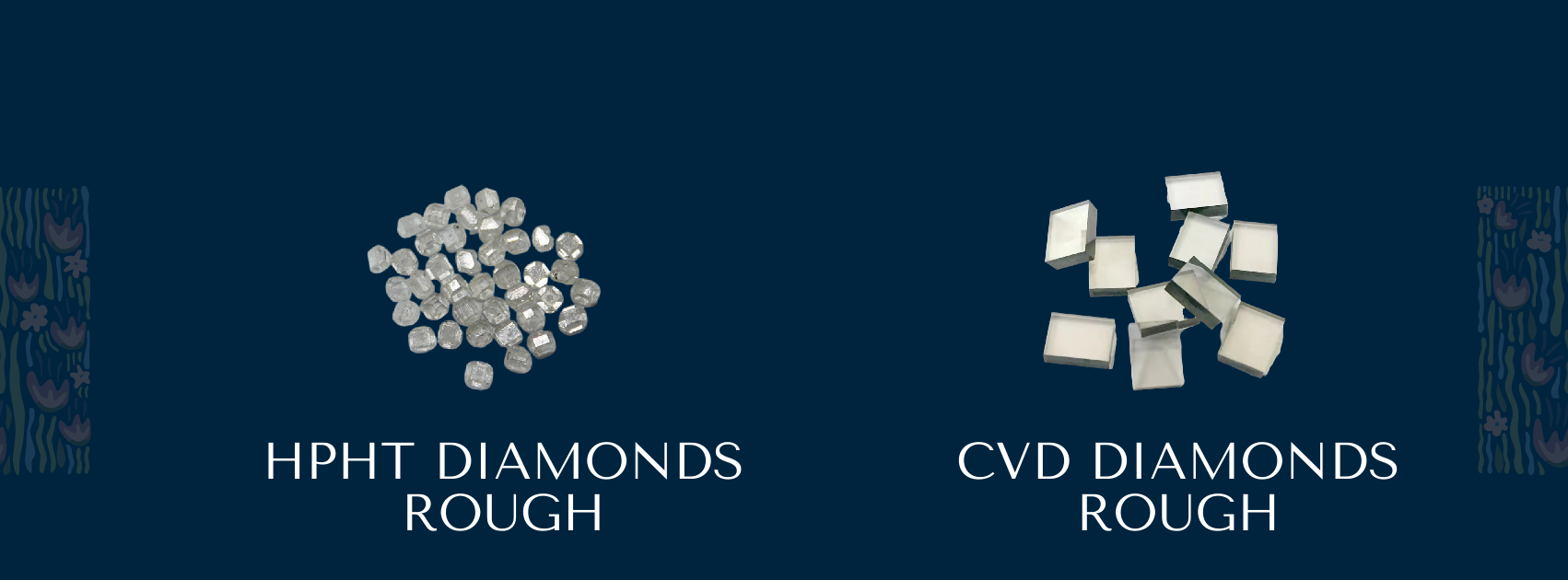
What is Lab Grown Diamond Rough?
Lab grown diamond rough refers to the synthetic production of diamond crystals through a meticulous process that mirrors the natural formation of diamonds within the Earth's mantle. By replicating the high pressure and high temperature conditions necessary for diamond growth, scientists can nurture tiny diamond seeds into larger, high-quality diamond crystals.
This innovative technique, utilizing advanced technology such as chemical vapor deposition and high pressure, high temperature processes, results in diamonds that possess identical physical, chemical, and optical properties to those found in nature. As a sustainable and ethical alternative to traditional diamond mining, lab grown diamond rough offers consumers access to conflict-free, high-quality diamonds.
The process of creating lab grown diamond rough
Creating lab grown diamond rough involves a complex and meticulous process that seeks to replicate the natural conditions under which diamonds are formed deep within the Earth's mantle. Utilizing advanced technology, such as chemical vapor deposition and high pressure, high temperature processes, scientists nurture tiny diamond seeds into larger, high-quality diamond crystals.
This groundbreaking method yields diamonds with the same physical, chemical, and optical properties as those naturally occurring. The sustainable and ethical option of lab-grown diamond rough is gaining popularity among consumers looking for conflict-free, top-notch diamonds. The technique shows potential for the future of diamond production and sustainability.
Advantages of Lab Grown Diamond Rough
The environmental benefits of lab grown diamond rough are substantial. Traditional diamond mining has been associated with significant environmental impact, including habitat destruction, soil erosion, and water pollution. In contrast, the process of creating lab grown diamond rough is far less disruptive to the natural world. By eliminating the need for large-scale mining operations, this sustainable approach reduces the ecological footprint typically associated with diamond extraction. Furthermore, the ethical sourcing of lab grown diamonds also contributes to environmental conservation by alleviating the social and environmental issues often linked to traditional diamond mining. This innovative method of diamond production presents a compelling opportunity to minimize the environmental impact while meeting the demand for exquisite diamonds.
Cost-effectiveness
Cost-effectiveness is a key advantage of lab grown diamond rough, as it offers a more affordable alternative to natural diamonds without compromising on quality. The process of creating these diamonds in a controlled environment allows for greater efficiency and cost control, resulting in diamonds that are more accessible to a wider range of consumers. Additionally, the sustainable and ethical nature of lab grown diamond production contributes to a positive brand image, further enhancing its appeal to conscientious consumers. This cost-effective approach not only benefits consumers financially, but also aligns with their values, making lab grown diamond rough a compelling choice in the jewelry market.
Uses and Applications of Lab Grown Diamond Rough
The uses and applications of lab grown diamond rough are vast and diverse, spanning various industries including jewelry, technology, and scientific research. In the jewelry sector, these diamonds are gaining popularity for their ethical and sustainable origins. In technology, lab grown diamonds are utilized in cutting-edge applications such as high-performance electronics and advanced optics. Moreover, the scientific community benefits from the unique properties of lab grown diamonds in experiments and studies, showcasing the versatility and potential impact of this innovative diamond production method.
Role of lab grown diamond rough in Jewelry industry
The role of lab grown diamond rough in the jewelry industry is pivotal, as these ethically sourced and sustainable diamonds offer a compelling alternative to traditional mined diamonds. Their identical properties to natural diamonds make them highly sought-after in the jewelry market, catering to conscientious consumers and meeting the demand for exquisite, conflict-free diamonds.
The growing importance and potential of lab grown diamond rough in various industries is undeniable. This innovative approach to diamond production is revolutionizing the jewelry industry and finding applications in industrial sectors. With its sustainable and ethical attributes, lab grown diamond rough is gaining traction and is anticipated to shape future trends and innovations across different fields.